Eating well is more than just a trend—it’s a lifestyle choice that impacts your energy levels, mental clarity, and overall health. With countless diets and food fads circulating online, it’s easy to feel overwhelmed. This comprehensive guide simplifies healthy eating into practical, everyday steps that anyone can follow. Whether you’re looking to boost energy, manage weight, or simply improve your nutrition, this guide offers actionable advice backed by science.
Understanding the Basics of Healthy Eating
Healthy eating isn’t about strict restrictions or depriving yourself of your favorite foods. At its core, it’s about balance, variety, and moderation. A nutritious diet includes a mix of:
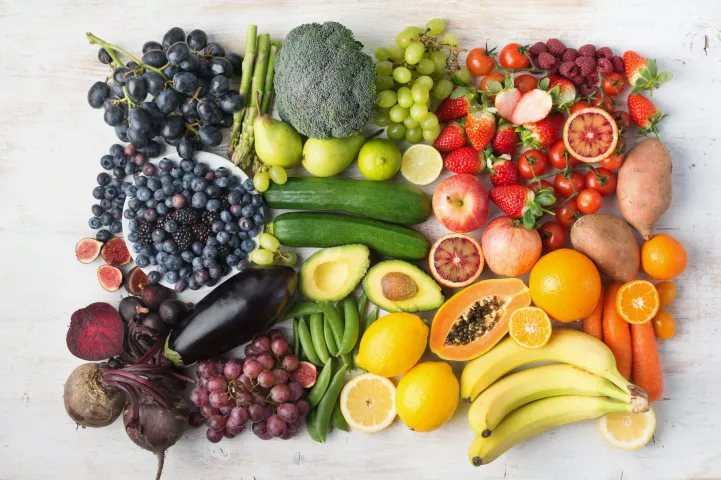
- Fruits and Vegetables: Rich in vitamins, minerals, and fiber, they are essential for digestion and immune support.
- Whole Grains: Foods like oats, quinoa, and brown rice provide sustained energy and help maintain healthy blood sugar levels.
- Lean Proteins: Chicken, fish, beans, and tofu support muscle growth and repair while keeping you fuller for longer.
- Healthy Fats: Nuts, seeds, avocados, and olive oil promote heart health and aid in nutrient absorption.
- Hydration: Drinking enough water is vital for metabolism, digestion, and cognitive function.
Focusing on whole, minimally processed foods ensures you get the nutrients your body needs without excessive additives or empty calories.
Practical Tips for Balanced Meal Planning
Meal planning is a key strategy for maintaining a healthy diet. It saves time, reduces food waste, and helps prevent impulsive, unhealthy food choices. Here’s how to make it simple:
- Plan Ahead: Dedicate time each week to plan meals. Consider your schedule and include a variety of proteins, grains, and vegetables.
- Batch Cooking: Prepare large portions of staples like brown rice, roasted vegetables, or grilled chicken. Store them for quick meals throughout the week.
- Portion Control: Use smaller plates and bowls to help regulate serving sizes. This prevents overeating without feeling deprived.
- Smart Snacking: Keep healthy snacks like nuts, yogurt, and fresh fruit readily available to curb hunger between meals.
- Flexibility Matters: Allow room for occasional treats. Flexibility prevents diet burnout and encourages a sustainable lifestyle.
By incorporating these strategies, healthy eating becomes easier and more manageable even for busy individuals.
Understanding Nutrient Timing
When you eat can be just as important as what you eat. Nutrient timing helps maximize energy, muscle recovery, and overall health.
- Breakfast: Kickstart your day with a balanced meal containing protein, complex carbs, and healthy fats to fuel your morning.
- Pre-Workout Snacks: Opt for light carbohydrates and protein to maintain energy during exercise. Examples include a banana with peanut butter or yogurt with oats.
- Post-Workout Recovery: A combination of protein and carbohydrates helps repair muscles and replenish energy stores.
- Evening Meals: Choose lighter meals with vegetables and lean protein to aid digestion and promote restful sleep.
By aligning meal timing with your daily activities, you can improve energy levels and optimize your metabolism.
Smart Grocery Shopping for Healthier Choices
Healthy eating starts at the grocery store. Being strategic can prevent unhealthy purchases and save money.
- Shop the Perimeter: Most whole foods like fruits, vegetables, dairy, and meats are located on the outer aisles. Avoid the processed foods often found in the center aisles.
- Make a List: Planning ahead ensures you buy only what you need and reduces impulsive purchases.
- Read Labels Carefully: Check for added sugars, sodium, and artificial additives. Focus on products with simple, recognizable ingredients.
- Buy Seasonal and Local: Seasonal produce is fresher, more flavorful, and often less expensive. Local options reduce carbon footprint while supporting your community.
A mindful approach to shopping can significantly impact your overall diet quality.
Overcoming Common Challenges
Even with the best intentions, obstacles can arise. Here are tips to stay on track:
- Time Constraints: Prep ingredients in advance or opt for quick, healthy recipes like stir-fries and salads.
- Cravings for Junk Food: Find healthier alternatives—air-popped popcorn, dark chocolate, or fruit smoothies can satisfy cravings without derailing your diet.
- Social Situations: Don’t skip events; instead, make mindful choices. Eat a healthy snack beforehand or balance indulgent foods with lighter options throughout the day.
- Staying Motivated: Track your progress, set realistic goals, and celebrate small achievements to maintain momentum.
Persistence and flexibility are key—healthy eating is a journey, not a strict regimen.
Frequently Asked Questions (FAQ)
Q1: How many meals should I eat per day for optimal health?
A1: There’s no one-size-fits-all answer. Most people do well with three balanced meals and one or two healthy snacks. The key is consistency and nutrient balance.
Q2: Can I still eat treats while maintaining a healthy diet?
A2: Absolutely. Incorporating occasional treats in moderation prevents feelings of deprivation and helps sustain healthy eating habits long-term.
Q3: What’s the best way to stay hydrated throughout the day?
A3: Drink water consistently, aiming for 8–10 glasses per day. Herbal teas and water-rich foods like fruits and vegetables also contribute to hydration.
Q4: Are supplements necessary if I eat a balanced diet?
A4: Most nutrients can be obtained through a varied diet. Supplements may be needed in specific cases, such as vitamin D in winter or iron for those with deficiencies, but it’s best to consult a healthcare professional.
Q5: How do I prevent overeating when dining out?
A5: Share dishes, choose smaller portions, and prioritize vegetables and lean proteins. Listening to your hunger cues and eating slowly helps prevent overeating.
Conclusion
Healthy eating is achievable when approached with balance, planning, and mindfulness. By focusing on nutrient-dense foods, planning meals ahead, staying hydrated, and practicing portion control, you can improve energy, support weight management, and boost overall well-being. Remember, sustainable changes beat quick fixes every time. Start with small, consistent steps, and over time, a healthy lifestyle will become second nature.
By following this guide, you’ll not only improve your physical health but also develop a positive relationship with food that lasts a lifetime.