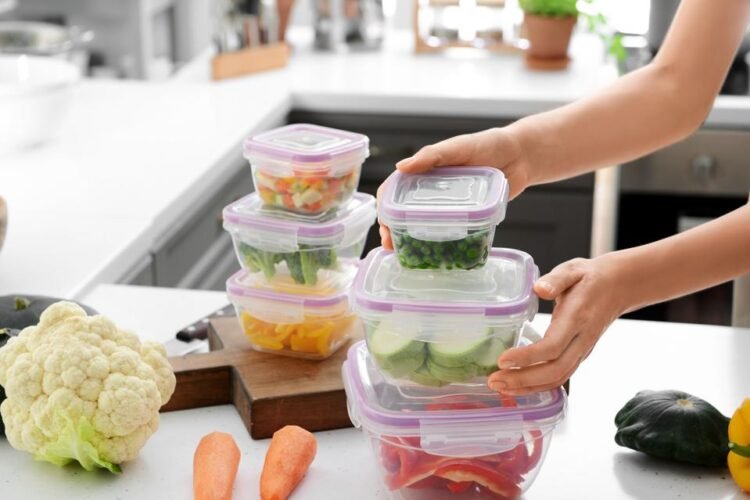
Proper food storage is essential for any home cook. Learning how to store food properly to keep it fresh longer helps reduce waste, save money, and maintain the taste and nutrition of your meals. Understanding how to store food properly to keep it fresh longer ensures your ingredients stay safe and delicious for as long as possible. From fresh produce to leftovers, mastering how to store food properly to keep it fresh longer makes your kitchen more efficient and organized.
Why Knowing How to Store Food Properly to Keep It Fresh Longer Matters
Learning how to store food properly to keep it fresh longer has multiple benefits. Proper storage prevents spoilage, preserves nutrients, and ensures food safety. Understanding how to store food properly to keep it fresh longer also saves money by reducing waste and allows you to plan meals effectively. With the right methods, ingredients retain flavor, texture, and quality, making home-cooked meals more enjoyable.
Refrigeration Tips
One of the first steps in how to store food properly to keep it fresh longer is using your refrigerator wisely. Keep raw meats separate from vegetables, use airtight containers, and maintain a temperature of 37–40°F (3–4°C). These are essential practices in how to store food properly to keep it fresh longer, preventing contamination and extending shelf life. Store dairy products on middle shelves, not the door, for consistent temperatures—a key tip in how to store food properly to keep it fresh longer.
Freezing Techniques
Freezing is a powerful way in how to store food properly to keep it fresh longer. Wrap foods tightly in freezer-safe packaging and remove excess air. Label containers with dates to track freshness. Proper freezing ensures how to store food properly to keep it fresh longer, maintaining flavor, texture, and nutrition. Frozen vegetables, meats, and prepared meals can last months if stored correctly, making freezing one of the most effective how to store food properly to keep it fresh longer methods.
Storing Fresh Produce
Fresh fruits and vegetables require special care in how to store food properly to keep it fresh longer. Keep leafy greens in breathable bags, store ethylene-producing fruits separately, and use moisture control to prevent wilting. These strategies in how to store food properly to keep it fresh longer help maintain crispness and flavor while reducing spoilage. Understanding the specific needs of each produce type is key to mastering how to store food properly to keep it fresh longer.
Leftovers Storage
Proper storage of leftovers is another essential part of how to store food properly to keep it fresh longer. Use airtight containers, cool food before refrigerating, and consume within 3–4 days. How to store food properly to keep it fresh longer prevents bacterial growth and ensures leftovers remain safe and tasty. Labeling and organizing leftovers is also a practical tip in how to store food properly to keep it fresh longer.
Pantry Organization
Dry goods also benefit from proper storage in how to store food properly to keep it fresh longer. Store grains, flours, pasta, and canned foods in airtight containers to protect against pests and moisture. Rotate stock regularly, using older items first—another vital part of how to store food properly to keep it fresh longer. Pantry organization ensures that ingredients are accessible and remain fresh.
Temperature and Humidity Control
Maintaining proper temperature and humidity is critical in how to store food properly to keep it fresh longer. Refrigerators, freezers, and pantries should have controlled conditions suitable for different foods. How to store food properly to keep it fresh longer emphasizes storing temperature-sensitive items like dairy, meat, and chocolate correctly to maximize shelf life. Using humidity drawers for produce is a simple yet effective how to store food properly to keep it fresh longer method.
Food Safety Best Practices
Food safety is a crucial component of how to store food properly to keep it fresh longer. Always wash hands, clean storage containers, and avoid cross-contamination. How to store food properly to keep it fresh longer includes separating raw and cooked foods, monitoring expiration dates, and checking for spoilage. Following these best practices ensures the safety and quality of your meals.
FAQ About How to Store Food Properly to Keep It Fresh Longer
1. How long can food stay fresh in the fridge?
Most cooked meals last 3–4 days, while raw meats and dairy have varying timelines—key points in how to store food properly to keep it fresh longer.
2. Can freezing affect food quality?
Proper freezing preserves flavor and texture. Use airtight packaging and label dates, important in how to store food properly to keep it fresh longer.
3. How do I store leafy greens?
Keep them in breathable containers or bags with moisture control—a tip in how to store food properly to keep it fresh longer.
4. Are pantry items safe without refrigeration?
Yes, if stored in airtight containers, away from moisture, heat, and light—part of how to store food properly to keep it fresh longer.
5. How do I prevent cross-contamination?
Keep raw and cooked foods separate, clean surfaces, and use dedicated cutting boards—key in how to store food properly to keep it fresh longer.
Conclusion
Mastering how to store food properly to keep it fresh longer saves money, preserves flavor, and ensures food safety. From refrigeration and freezing to pantry organization and leftovers management, these techniques maintain quality and extend shelf life. Applying how to store food properly to keep it fresh longer in your daily routine creates a more efficient, safe, and enjoyable kitchen experience. Start implementing these storage strategies today for fresher, tastier meals every day.