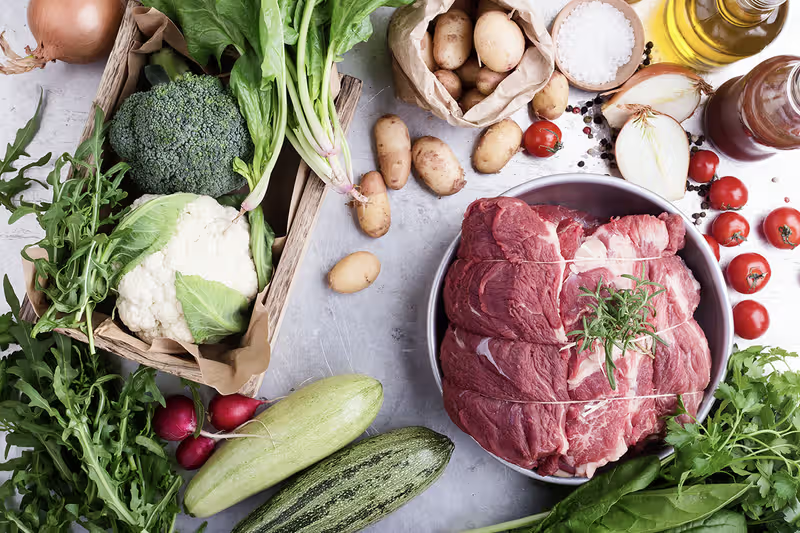
Pairing ingredients correctly is an art that elevates every dish. Knowing how to pair ingredients for better flavor ensures your meals are balanced, aromatic, and delicious. From herbs and spices to proteins and vegetables, mastering flavor combinations allows you to create memorable, restaurant-quality meals at home.
Why Pairing Ingredients Matters
Proper pairing enhances taste, aroma, and overall satisfaction. Understanding how to pair ingredients for better flavor ensures complementary flavors and textures, preventing meals from being bland or unbalanced. This skill is essential for both beginners and experienced cooks who want to maximize taste with simple ingredients.
Pairing Proteins and Vegetables
-
Chicken & Herbs: Thyme, rosemary, and garlic enhance chicken flavor.
-
Beef & Root Vegetables: Carrots, parsnips, and potatoes complement rich beef.
-
Fish & Citrus: Lemon, lime, or orange balances delicate fish flavors.
-
Tofu & Soy-Based Sauces: Soy, ginger, and sesame create depth.
Using these pairings is a foundational strategy for how to pair ingredients for better flavor, enhancing the natural taste of each protein.
Pairing Herbs and Spices
-
Basil & Tomato: Classic Italian combination for sauces and salads.
-
Cilantro & Lime: Brightens Mexican and Asian dishes.
-
Dill & Salmon: Adds freshness and lightness to fish dishes.
-
Cumin & Coriander: Earthy blend perfect for curries and roasted vegetables.
Understanding how to pair ingredients for better flavor through herbs and spices brings depth and vibrancy to any dish.
Pairing Flavors by Taste Profiles
-
Sweet & Salty: Chocolate with sea salt, or honey with roasted nuts.
-
Spicy & Creamy: Chili paired with yogurt or coconut milk.
-
Acidic & Rich: Lemon with avocado or vinaigrette with olive oil.
-
Umami & Earthy: Mushrooms with soy sauce or Parmesan cheese.
These taste-based pairings are essential in learning how to pair ingredients for better flavor for balanced and exciting meals.
Pairing Grains and Legumes
-
Rice & Beans: Classic combination providing complete protein.
-
Quinoa & Chickpeas: High in protein and fiber, perfect for salads.
-
Barley & Lentils: Adds texture and heartiness to soups and stews.
Grains and legumes are staples in how to pair ingredients for better flavor, providing satisfying and nutritious meals.
Tips for Successful Ingredient Pairing
-
Start simple: pair one main ingredient with one complementary herb or spice.
-
Experiment with contrasting textures like crunchy nuts with soft fruits.
-
Use acidic elements like citrus or vinegar to brighten flavors.
-
Taste as you go to adjust seasoning and balance.
-
Keep a flavor journal to track successful combinations.
Following these strategies enhances how to pair ingredients for better flavor and builds confidence in the kitchen.
FAQ About Pairing Ingredients
1. How do I know which flavors go together?
Start with common pairings from your cuisine and taste combinations gradually—essential for how to pair ingredients for better flavor.
2. Can I pair unexpected ingredients successfully?
Yes. Trial and error, along with understanding taste profiles, allows creative how to pair ingredients for better flavor.
3. Are there rules for pairing herbs and spices?
Use fresh herbs with light dishes, dried spices for longer cooking, and complementary tastes for balance—key how to pair ingredients for better flavor tip.
4. How can I improve ingredient pairing skills?
Cook regularly, experiment, and learn from both successes and mistakes—important for how to pair ingredients for better flavor.
5. Does pairing ingredients affect nutrition?
Yes, combining certain ingredients can enhance nutrient absorption, like pairing fat with fat-soluble vitamins—part of smart how to pair ingredients for better flavor strategies.
Conclusion
Mastering how to pair ingredients for better flavor transforms ordinary meals into extraordinary experiences. By understanding complementary proteins, vegetables, herbs, spices, and taste profiles, you can create balanced, flavorful, and satisfying dishes. Using these strategies for how to pair ingredients for better flavor ensures your cooking is enjoyable, versatile, and consistently delicious. Start experimenting today to discover new favorite combinations and elevate your home cooking.