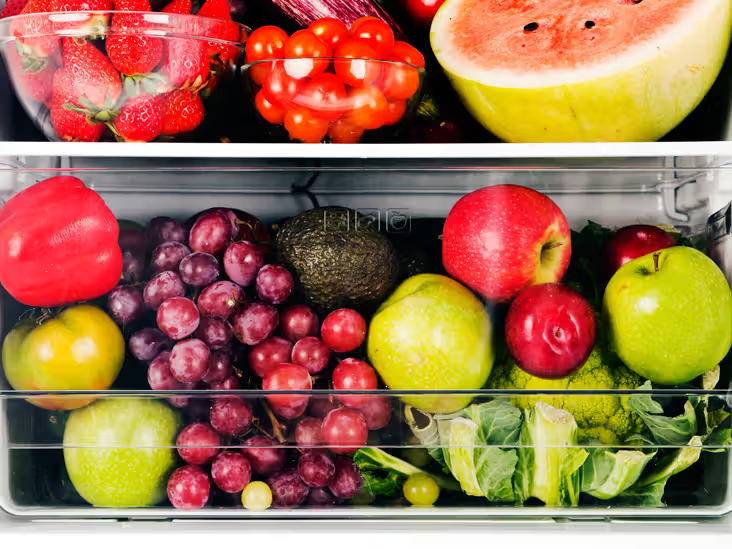
Proper storage of fruits and vegetables is essential for maintaining freshness, flavor, and nutrition. Knowing how to store fruits and vegetables properly helps reduce waste, save money, and ensure every meal is made with high-quality ingredients. From leafy greens to root vegetables and delicate berries, mastering storage techniques guarantees your produce lasts longer and tastes better.
Why Proper Storage of Fruits and Vegetables Matters
Storing produce correctly preserves vitamins, minerals, and overall quality. Knowing how to store fruits and vegetables properly prevents spoilage, mold, and nutrient loss. Fresh, well-stored fruits and vegetables also enhance the flavor and texture of your meals, making every dish more enjoyable.
Storing Leafy Greens
-
Wrap in paper towels to absorb excess moisture.
-
Store in airtight containers or perforated bags in the fridge.
-
Keep away from fruits that release ethylene gas like apples and bananas.
-
Wash just before use, not before storing.
Following these techniques is key to how to store fruits and vegetables properly and ensures leafy greens stay crisp and fresh.
Storing Root Vegetables
-
Potatoes, carrots, and beets should be stored in a cool, dark place.
-
Avoid refrigeration for potatoes to prevent starch from turning into sugar.
-
Keep carrots in perforated bags or containers in the fridge.
-
Separate from fruits that emit ethylene to avoid premature spoilage.
These tips help maintain quality and longevity, crucial for how to store fruits and vegetables properly.
Storing Fruits
-
Apples: Refrigerate to slow ripening; keep separate from other fruits.
-
Berries: Store in a breathable container lined with paper towels; wash before eating.
-
Citrus: Can be stored at room temperature or in the fridge for extended shelf life.
-
Bananas: Keep at room temperature; refrigerate once ripe to extend usability.
Proper storage methods are an essential part of how to store fruits and vegetables properly for maximum freshness.
Storing Delicate Vegetables
-
Tomatoes: Store at room temperature away from direct sunlight; refrigerate only when fully ripe.
-
Cucumbers: Keep in a cool, dry place or fridge for short periods.
-
Peppers: Store in the crisper drawer of the fridge to maintain crispness.
Using these strategies ensures how to store fruits and vegetables properly without compromising taste or texture.
Tips for Maintaining Freshness
-
Check produce regularly and remove spoiled items immediately.
-
Use clear containers to easily see contents and track freshness.
-
Group vegetables and fruits by storage needs: ethylene-producing and ethylene-sensitive.
-
Freeze excess produce to extend shelf life for smoothies, soups, or sauces.
These habits are crucial for how to store fruits and vegetables properly and reducing food waste.
FAQ About Storing Fruits and Vegetables
1. How long can fruits and vegetables last in the fridge?
Leafy greens: 3–7 days; root vegetables: 2–4 weeks; berries: 2–3 days—key for how to store fruits and vegetables properly.
2. Should I wash produce before storing?
Only wash right before use to prevent moisture-induced spoilage—important how to store fruits and vegetables properly tip.
3. Can freezing preserve all vegetables?
Most vegetables can be blanched and frozen to maintain texture and nutrients—essential how to store fruits and vegetables properly advice.
4. How do I prevent mold on berries?
Store in a breathable container with paper towels and avoid excess moisture—critical how to store fruits and vegetables properly strategy.
5. Can I store fruits and vegetables together?
Avoid storing ethylene-sensitive vegetables with ethylene-producing fruits to prevent early spoilage—important how to store fruits and vegetables properly tip.
Conclusion
Mastering how to store fruits and vegetables properly is essential for maintaining freshness, nutrition, and flavor. By understanding the storage needs of leafy greens, root vegetables, fruits, and delicate produce, you can extend shelf life and enhance every meal. Implementing proper storage techniques for how to store fruits and vegetables properly reduces waste, saves money, and ensures you always have high-quality ingredients on hand for healthy and delicious cooking.