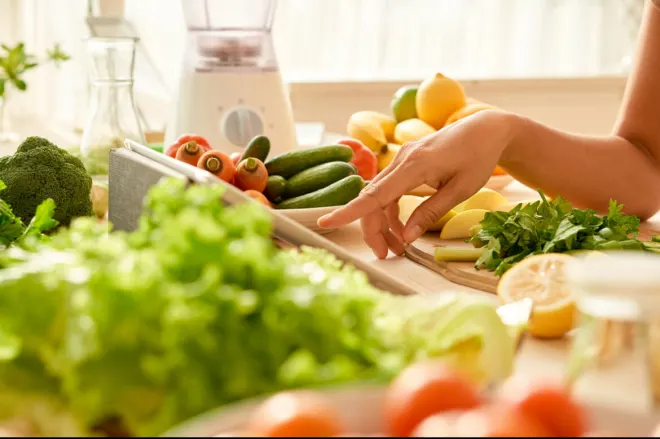
Cooking at home is more than just preparing meals. It is a life skill that saves money, improves health, and builds confidence in the kitchen. Yet many people feel overwhelmed when they cook, especially beginners who struggle with basic techniques, timing, and flavors. The good news is that cooking does not require fancy tools or professional training. By learning a few essential cooking tips and techniques, anyone can prepare delicious, reliable meals at home. This guide focuses on practical advice that solves common cooking problems and helps you cook smarter, not harder.
Start With Proper Kitchen Preparation
One of the most common mistakes home cooks make is starting without preparation. Proper kitchen preparation, often called mise en place, means having all ingredients washed, chopped, and measured before cooking begins. This simple habit prevents rushed mistakes, overcooked food, and forgotten ingredients. When everything is ready, you can focus on cooking instead of scrambling for tools or spices. Preparation also makes cooking feel calmer and more enjoyable, especially when following a new recipe for the first time.
Learn Basic Knife Skills for Safety and Speed
Good knife skills are essential for efficiency and safety in the kitchen. A sharp knife is safer than a dull one because it requires less force and provides better control. Learn basic cuts such as slicing, dicing, and chopping, and always use a stable cutting board. Keep your fingers tucked in using a claw grip to avoid injuries. With practice, proper knife skills reduce prep time and ensure even cooking, which directly improves the taste and texture of your food.
Understand Heat Control and Cooking Temperatures
Heat control is one of the most important cooking techniques to master. Many beginners cook on high heat, assuming it cooks food faster, but this often leads to burnt exteriors and raw interiors. Low to medium heat is usually best for even cooking and flavor development. Learn when to use high heat, such as searing meat, and when to lower it, such as simmering sauces. Understanding temperature helps prevent overcooking and allows flavors to develop properly.
Season Food Correctly and Taste as You Cook
Seasoning is not just about adding salt at the end. Proper seasoning builds flavor throughout the cooking process. Add small amounts of salt early to enhance natural flavors, and adjust gradually as the dish cooks. Tasting your food as you cook helps you catch problems before they become permanent. This habit builds confidence and teaches you how ingredients interact, making you less dependent on exact recipes over time.
Use Simple Cooking Techniques First
Mastering simple techniques creates a strong foundation for advanced cooking later. Techniques like sautéing, boiling, roasting, and steaming are versatile and easy to learn. Sautéing teaches heat control, boiling helps with timing, roasting enhances flavor through caramelization, and steaming preserves nutrients. These basic methods can be applied to vegetables, proteins, and grains, allowing you to prepare many meals with minimal complexity and consistent results.
Avoid Common Beginner Cooking Mistakes
Many cooking frustrations come from small, avoidable mistakes. Overcrowding a pan prevents proper browning and causes food to steam instead. Skipping preheating leads to uneven cooking. Not reading the recipe fully can result in missing steps or incorrect timing. Take a moment to understand the process before starting. Slowing down and paying attention prevents waste, saves time, and improves the final outcome of your meals.
Improve Flavor With Simple Ingredients
You do not need expensive ingredients to cook flavorful food. Simple additions like garlic, onions, herbs, citrus juice, and spices can transform basic dishes. Fresh herbs add brightness, while dried spices provide depth. Acid from lemon or vinegar balances rich flavors. Learning how to combine these elements helps you create satisfying meals even with limited ingredients. This approach also encourages creativity and reduces reliance on processed sauces.
Keep Your Kitchen Organized and Clean
A clean, organized kitchen improves efficiency and food safety. Clean as you cook by washing tools during downtime and wiping surfaces regularly. This habit prevents clutter and reduces stress. Organize ingredients and tools so everything is easy to find. Proper storage also keeps food fresh longer and reduces waste. A well maintained kitchen makes cooking feel less like a chore and more like a rewarding routine.
Build Confidence Through Practice and Patience
Confidence in cooking comes from repetition and patience. Mistakes are part of learning, and even experienced cooks have failures. Instead of getting discouraged, treat each mistake as feedback. Practice simple recipes multiple times to understand timing and flavor. Over time, cooking becomes intuitive. Confidence grows when you trust your senses and make small adjustments based on experience rather than fear of failure.
Frequently Asked Questions
How can beginners improve their cooking skills quickly
Beginners improve fastest by practicing basic techniques, cooking simple recipes repeatedly, and tasting food as they cook. Consistency matters more than complexity.
What is the most important cooking skill to learn first
Heat control is the most important skill because it affects texture, flavor, and safety in almost every dish you prepare.
How do I make food taste better without adding more salt
Use acid like lemon juice, fresh herbs, spices, and proper browning techniques to enhance flavor without relying on extra salt.
Why does my food stick to the pan
Food sticks when the pan is not preheated or lacks enough oil. Allow the pan to heat properly and avoid moving food too early.
How can I cook healthier meals at home
Use simple techniques like roasting and steaming, control portion sizes, and cook with fresh ingredients instead of processed foods.
Final Thoughts
Cooking is a skill that improves your daily life in meaningful ways. By focusing on preparation, heat control, seasoning, and simple techniques, you can avoid common mistakes and cook with confidence. These essential cooking tips help you save time, reduce stress, and create meals you enjoy sharing. With patience and practice, home cooking becomes not just easier, but deeply rewarding and sustainable for the long term.