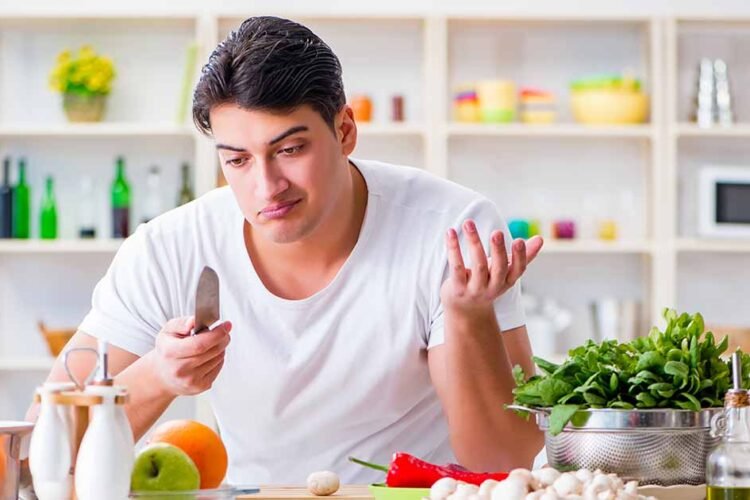
Cooking at home is one of the most valuable life skills, yet many people find it stressful, time-consuming, or confusing. From food that turns out bland to meals that take longer than expected, common cooking problems can reduce confidence in the kitchen. The good news is that great cooking doesn’t depend on fancy equipment or professional training. By learning simple cooking tips and techniques, anyone can prepare delicious, nutritious meals consistently. This guide focuses on practical, beginner-friendly advice that helps you cook smarter, save time, and enjoy the process.
Master the Basics Before Trying Complex Recipes
One of the biggest mistakes home cooks make is jumping into complicated recipes too quickly. Understanding basic techniques like chopping, boiling, sautéing, roasting, and seasoning creates a strong foundation. When you know how heat works, how ingredients react, and how flavors develop, cooking becomes easier and more flexible. Mastering basics allows you to adjust recipes confidently instead of following them blindly.
Proper Knife Skills Improve Speed and Safety
Good knife skills make cooking faster, safer, and more enjoyable. Using a sharp knife reduces the risk of slipping and injuries. Learn basic cuts such as slicing, dicing, and chopping rather than aiming for perfection. Always keep fingers tucked inward when cutting and use a stable cutting board. Efficient knife work saves time and ensures even cooking, which improves the final result of your dishes.
Understand Heat Control for Better Results
Heat control is one of the most important cooking techniques. Too much heat can burn food on the outside while leaving it raw inside, while low heat can make food soggy or dull. Learning when to use high, medium, or low heat improves texture and flavor. For example, high heat works best for searing meats, while low heat is ideal for simmering soups. Paying attention to heat prevents common cooking mistakes.
Season Food at the Right Time
Seasoning is more than just adding salt at the end. Proper seasoning enhances natural flavors and balances taste. Adding salt gradually during cooking allows flavors to develop evenly. Taste your food as you cook and adjust seasoning when needed. Herbs and spices should be added at different stages—some early for depth, others later for freshness. Thoughtful seasoning turns simple meals into satisfying dishes.
Prep Ingredients Before You Start Cooking
One of the easiest ways to reduce kitchen stress is proper preparation. Washing, chopping, and measuring ingredients before turning on the stove helps cooking flow smoothly. This technique, often called “mise en place,” prevents mistakes like burning food while rushing to prepare the next step. Preparation saves time, improves focus, and makes cooking more enjoyable.
Use Simple Cooking Techniques to Build Flavor
You don’t need complicated methods to create rich flavors. Simple techniques like roasting vegetables, caramelizing onions, or toasting spices bring out natural sweetness and depth. Deglazing a pan with water or broth after cooking meat captures flavorful bits stuck to the pan. These basic techniques elevate everyday meals without extra cost or effort.
Learn How to Cook Proteins Properly
Cooking proteins like meat, eggs, and legumes correctly improves taste and texture. Overcooking meat makes it dry, while undercooking can be unsafe. Let meat rest after cooking to retain juices. For eggs, lower heat produces softer, creamier results. Plant-based proteins like beans benefit from slow cooking and proper seasoning. Understanding protein cooking basics improves meal quality and nutrition.
Avoid Overcrowding the Pan
Overcrowding is a common cooking mistake that leads to steaming instead of browning. When too much food is placed in a pan at once, moisture builds up and prevents proper cooking. Cooking in batches allows food to brown evenly and develop better flavor. This small adjustment significantly improves texture and appearance.
Use the Right Cookware for Each Task
Using the correct cookware makes cooking easier and more effective. Non-stick pans are great for eggs and delicate foods, while stainless steel works well for searing. Heavy-bottomed pots distribute heat evenly and prevent burning. You don’t need many pots and pans—just a few versatile, good-quality pieces. Proper cookware improves results and reduces frustration.
Improve Timing and Multitasking Skills
Timing is a skill that develops with practice. Start cooking items that take the longest first, such as grains or proteins. While something cooks, prepare side dishes or clean as you go. Efficient multitasking keeps meals organized and reduces cleanup time. Planning the order of cooking steps helps everything finish at the same time.
Cooking Healthy Without Sacrificing Flavor
Healthy cooking doesn’t mean boring meals. Using fresh ingredients, healthy fats, and balanced portions supports nutrition without losing taste. Baking, steaming, grilling, and sautéing are healthier alternatives to deep frying. Adding herbs, spices, and citrus enhances flavor naturally. Healthy cooking techniques support long-term well-being while keeping meals enjoyable.
Fix Common Cooking Problems Easily
Many cooking problems have simple solutions. Bland food often needs salt or acid like lemon juice. Burnt food usually means heat was too high. Watery sauces can be thickened by simmering longer. Dry meat may need shorter cooking time or added moisture. Learning how to fix mistakes builds confidence and reduces waste.
Practice Makes Cooking Feel Natural
Cooking is a skill that improves with repetition. Mistakes are part of learning and help you understand how ingredients behave. Trying new recipes occasionally builds creativity, while repeating familiar meals builds confidence. Over time, cooking becomes intuitive rather than stressful. Consistent practice turns cooking into a rewarding habit instead of a daily chore.
Frequently Asked Questions
How can beginners improve cooking skills quickly?
Focus on basic techniques, cook regularly, and learn from simple recipes before attempting complex dishes.
What is the most important cooking skill to learn?
Heat control and proper seasoning are the most important skills for consistent results.
How can I save time while cooking at home?
Prep ingredients in advance, cook in batches, and clean as you go.
Do I need expensive tools to cook well?
No, basic cookware, a sharp knife, and good ingredients are enough for great cooking.
How do I make food taste better without adding extra salt?
Use herbs, spices, garlic, onions, and acidic ingredients like lemon or vinegar.
Final Thoughts
Cooking is not about perfection—it’s about understanding, practice, and enjoyment. With the right cooking tips and techniques, anyone can prepare delicious, healthy meals at home without stress. Small improvements in preparation, heat control, and seasoning lead to big improvements in results. As your confidence grows, cooking becomes faster, easier, and more satisfying. By investing time in learning simple techniques, you build a lifelong skill that benefits your health, budget, and daily life.